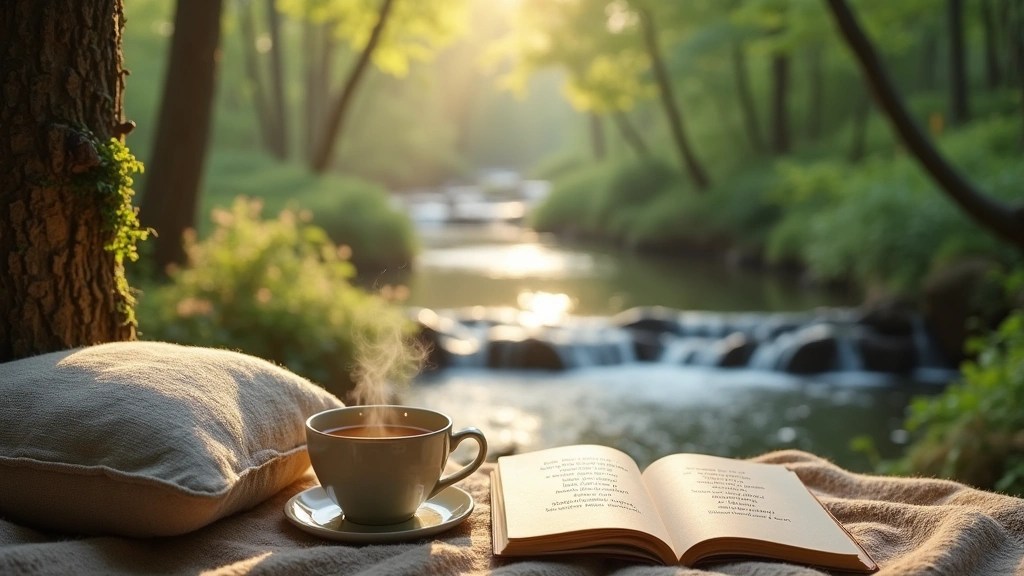
In our fast-paced world, finding moments of peace is essential for mental well-being.
Stress can overwhelm us, but the good news is that relief is just a few mindful techniques away.
Discover these 13 effective stress relief strategies that you can easily incorporate into your daily routine, bringing instant calmness and clarity to your life.
While you are here, check out the book Breathwork: How to Use Your Breath to Change Your Life
Contents
- 1. Deep Breathing Exercises
- 2. Mindfulness Meditation
- 3. Nature Walks
- 4. Progressive Muscle Relaxation
- 5. Journaling
- 6. Aromatherapy
- 7. Guided Visualization
- 8. Physical Exercise
- 9. Listening to Music
- 10. Practicing Gratitude
- 11. Connecting with Loved Ones
- 12. Digital Detox
- 13. Laughter and Play
1. Deep Breathing Exercises
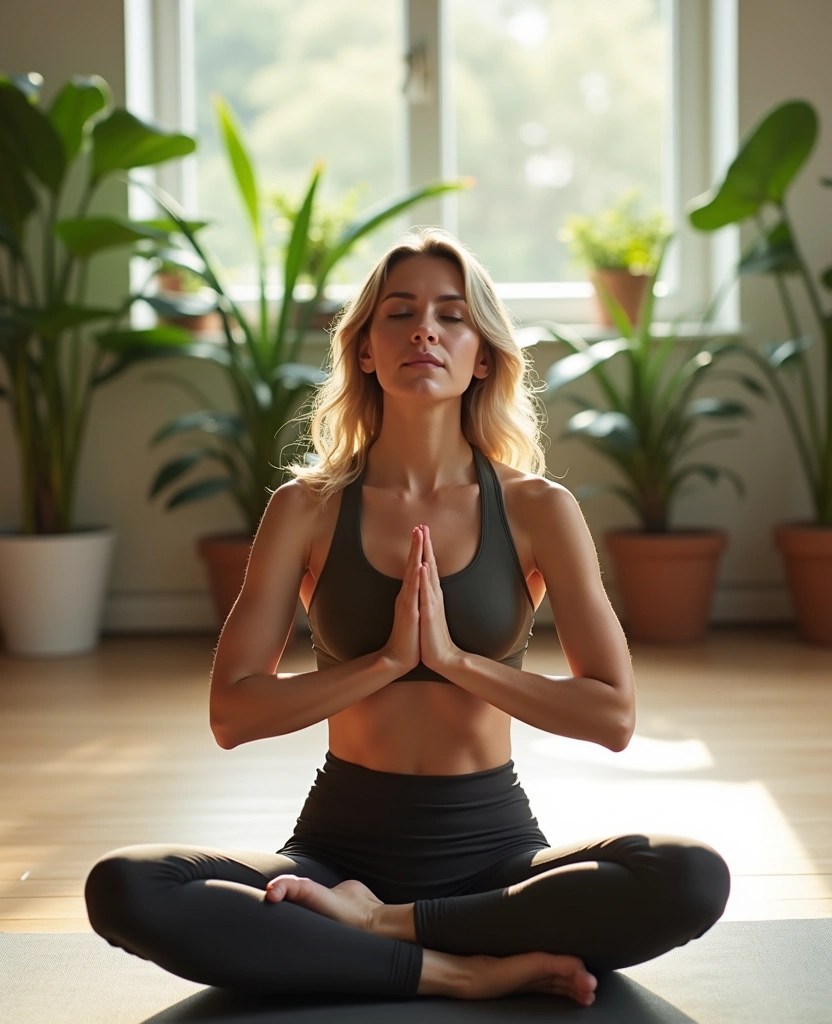
1. Deep Breathing Exercises
In our fast-paced world, stress and anxiety have become common companions for many of us. One of the simplest yet most effective ways to combat these feelings is through deep breathing exercises. By focusing on our breath, we can stimulate the body’s relaxation response, engaging the parasympathetic nervous system. This process helps to slow down our heart rate, lower blood pressure, and release muscle tension, creating a sense of calm that can be profoundly restorative.
To practice deep breathing, start by finding a comfortable position, whether sitting or lying down. Close your eyes gently to minimize distractions and bring your awareness inward. Begin by inhaling deeply through your nose for a count of four, allowing your abdomen to expand fully as you fill your lungs with air.
After reaching the count of four, hold your breath for another four seconds. This pause allows your body to fully absorb the oxygen and encourages a moment of stillness in your busy mind.
Next, exhale slowly through your mouth for a count of six, releasing any tension or negative energy with each breath out. As you exhale, visualize the stress leaving your body, making room for tranquility and mindfulness.
Repeat this cycle for several minutes, focusing intently on each breath. If your mind wanders, gently guide your attention back to the rhythm of your breathing. This practice not only grounds you in the present moment but also cultivates a deeper sense of awareness and control over your emotional state.
Incorporating deep breathing exercises into your daily routine can serve as a powerful tool for managing stress relief and anxiety. Whether you’re seeking a quick reset during a hectic day or a calming ritual before sleep, this technique can help you reclaim a sense of peace and clarity amidst the chaos of life.
Product Recommendations:
2. Mindfulness Meditation
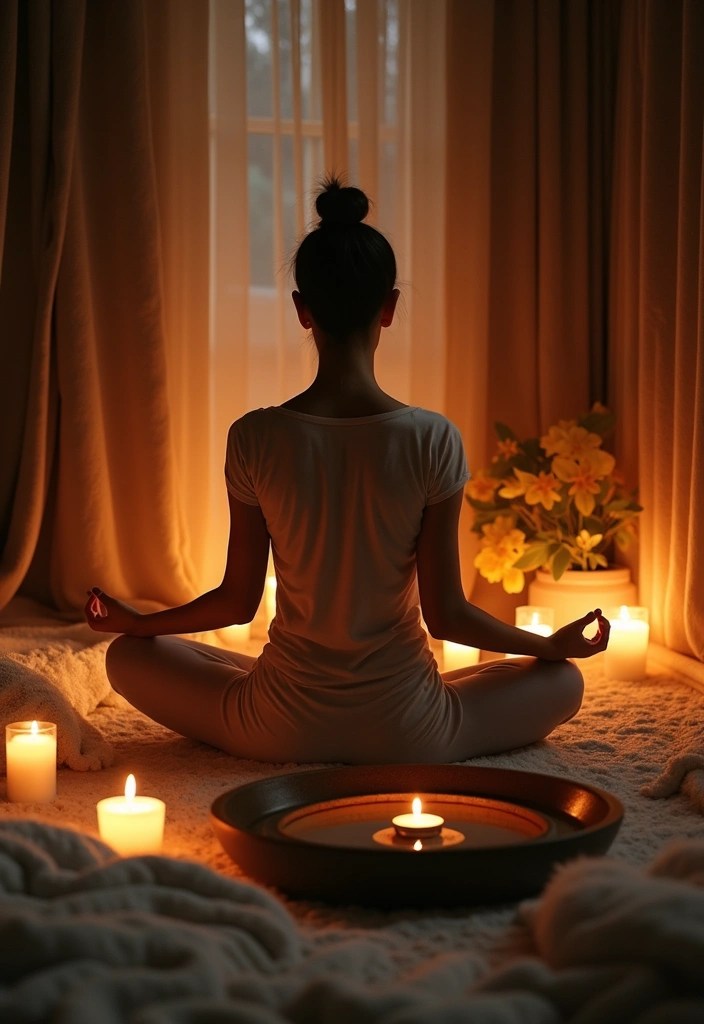
Mindfulness meditation is a powerful tool for stress relief, offering a sanctuary for the mind amidst the chaos of daily life. By cultivating a sense of awareness and presence, you can effectively ease feelings of stress and anxiety. The practice encourages you to tune into your body and breath, activating the parasympathetic nervous system—your body’s natural relaxation response.
When you take a moment to focus on your breath, you initiate a series of calming physiological changes. This process slows your heart rate, lowers blood pressure, and releases built-up muscle tension, creating a profound sense of relaxation. With regular practice, mindfulness meditation can become a cornerstone of your stress relief toolkit, helping you navigate life’s challenges with greater ease.
To begin your mindfulness meditation practice, find a quiet space where you can sit or lie down comfortably. Close your eyes and take a slow, deep breath in through your nose for a count of four. Feel your abdomen expand as you fill your lungs with air.
Hold that breath gently for four counts, allowing the oxygen to nourish your body. Then, exhale slowly through your mouth for a count of six, visualizing any stress or tension leaving your body with each breath out.
Continue this pattern, allowing your thoughts to settle and your mind to rest on each breath. Focus on the sensation of the air entering and leaving your body, guiding you deeper into a state of calm and presence.
As you practice, you may notice your thoughts wandering. This is completely normal. Rather than getting frustrated, gently acknowledge those thoughts and guide your attention back to your breath. The more you practice, the easier it becomes to return to that tranquil state, making mindfulness meditation a valuable method for managing stress and anxiety in your everyday life.
Embrace this simple yet effective technique, and allow yourself to experience the profound benefits of mindfulness. With just a few minutes each day, you can cultivate a sense of inner peace that carries you through even the most stressful moments.
Product Recommendations:
• Aromatherapy Essential Oil Diffuser
• Mindfulness Meditation Guidebook
3. Nature Walks

Taking a moment to immerse yourself in the beauty of nature can be a transformative experience for your mental well-being. One of the most effective and accessible ways to achieve this is through nature walks.
When you step into a park or wander along a forest trail, you allow yourself to leave behind the noise and chaos of daily life. This simple act of walking can serve as a form of stress relief, enabling you to momentarily disconnect from your responsibilities and worries.
As you stroll, take the time to notice the vibrant colors of the leaves, the intricate patterns of the bark on trees, and the gentle rustle of grass beneath your feet. These small details can ground you in the present, enhancing your mindfulness and helping you appreciate the beauty of your surroundings.
Don’t forget to tune in to the sounds that fill the air—perhaps the cheerful chirping of birds or the soothing rush of a nearby stream. Allow these natural melodies to wash over you, creating a soundtrack that promotes relaxation and tranquility.
The scents of nature also play a crucial role in this experience. Breathe deeply and inhale the fresh aroma of pine trees, the earthy scent of damp soil, or the sweet fragrance of blooming flowers. These scents can evoke feelings of calmness and nostalgia, further aiding in your stress relief journey.
Research supports the positive impact of spending time outdoors. Studies indicate that being in natural environments can significantly reduce cortisol levels, the hormone associated with stress, and alleviate symptoms of anxiety. Just a brief walk in nature can promote a sense of calm and clarity, allowing your mind to reset and recharge.
Incorporating regular nature walks into your routine can be a simple yet profound practice for enhancing your mental health. Whether you choose to stroll through a local park or venture into a nearby forest, the benefits are undeniable. So, lace up your shoes, step outside, and let the healing power of nature envelop you.
Portable Essential Oil Diffuser
4. Progressive Muscle Relaxation
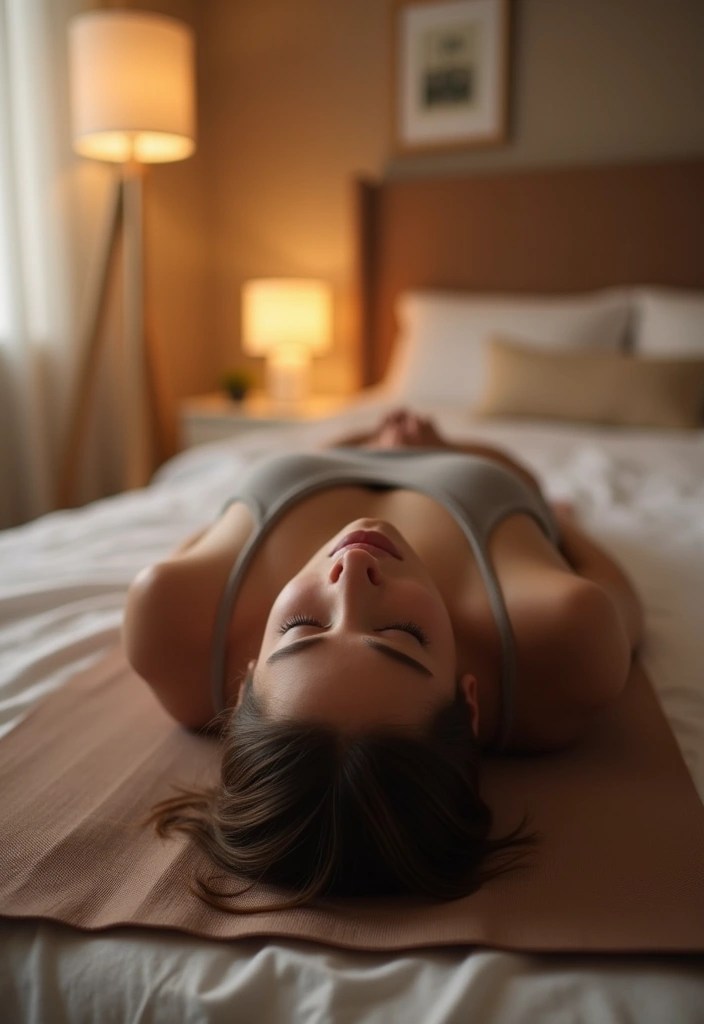
Progressive Muscle Relaxation (PMR) is a remarkably effective technique that can help you manage stress and promote an overall sense of calm in your daily life. This method involves systematically tensing and then relaxing each muscle group in your body, allowing you to become more aware of physical sensations and release built-up tension.
Begin this practice by focusing on your toes. As you tense the muscles in your feet and toes, hold that tension for a few seconds, noting how it feels. Then, slowly release the tension and notice the contrast between the tightness and the relaxation that follows. This simple act of awareness helps you connect with your body and encourages mindfulness.
Gradually work your way up through your legs, abdomen, arms, and shoulders, ending with your face and neck. With each muscle group, pay attention not only to the physical sensations but also to any thoughts or emotions that may arise. This process can be particularly beneficial for those dealing with anxiety, as it offers a moment to focus on the present rather than ruminating over past events or worrying about the future.
Practicing PMR can be especially helpful after a long day or during moments of heightened stress. Taking just a few minutes to engage in this technique allows you to unwind, reconnect with your body, and foster a sense of inner peace. By integrating PMR into your routine, you can cultivate a greater sense of relaxation and resilience in the face of life’s challenges.
Incorporating Progressive Muscle Relaxation into your self-care toolkit not only helps in releasing physical tension but also promotes mental calmness. It serves as a gentle reminder that you can pause, breathe, and reset at any moment, empowering you to face your day with a clearer, more focused mind.
Product Recommendations:
• Yoga Mat
5. Journaling
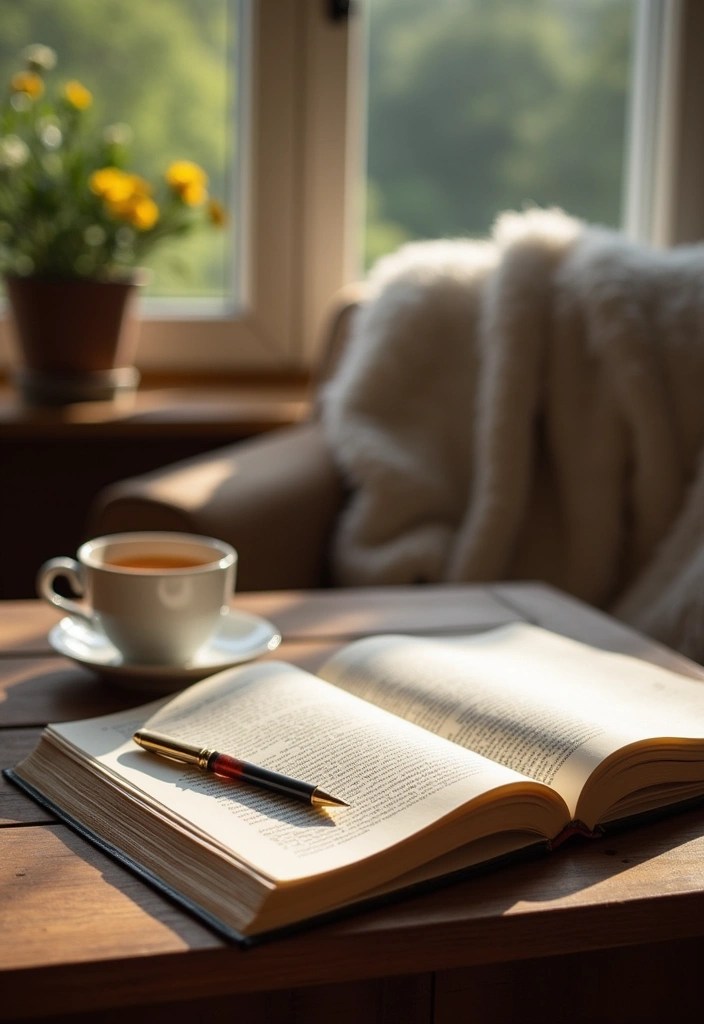
Journaling is a powerful way to relieve stress and gain emotional clarity. By putting your thoughts and feelings on paper, you create a safe space to process emotions and understand them better. This practice serves as a personal sanctuary where you can unravel the complexities of your mind without judgment.
Taking just a few minutes each day to write freely can be transformative. You might choose to jot down your worries, celebrate your achievements, or express gratitude for the little things in life. This simple act of writing helps you to release mental clutter, allowing you to shift your focus to the present moment. Instead of feeling overwhelmed by racing thoughts, you can channel your energy into something tangible.
The benefits of journaling extend beyond just stress relief. Studies show that it not only reduces anxiety but also enhances emotional well-being and boosts overall positivity. By committing to this practice, you may find that you’re better equipped to navigate life’s challenges with a clearer mind. Each entry becomes a step toward understanding your emotions more deeply, fostering mindfulness in your daily routine.
Additionally, journaling can serve as a tool for reflection. When you look back at your entries, you may notice patterns in your thoughts or behaviors that you hadn’t recognized before. This self-awareness is a key component of emotional growth and resilience, allowing you to identify triggers and develop healthier coping strategies.
In essence, journaling offers a unique blend of stress relief and mindfulness. It invites you to engage with your inner thoughts, fostering a deeper connection with yourself. So grab a notebook, find a comfortable spot, and let your pen flow. You may be surprised at the insights that emerge and the tranquility that follows.
Product Recommendations:
6. Aromatherapy
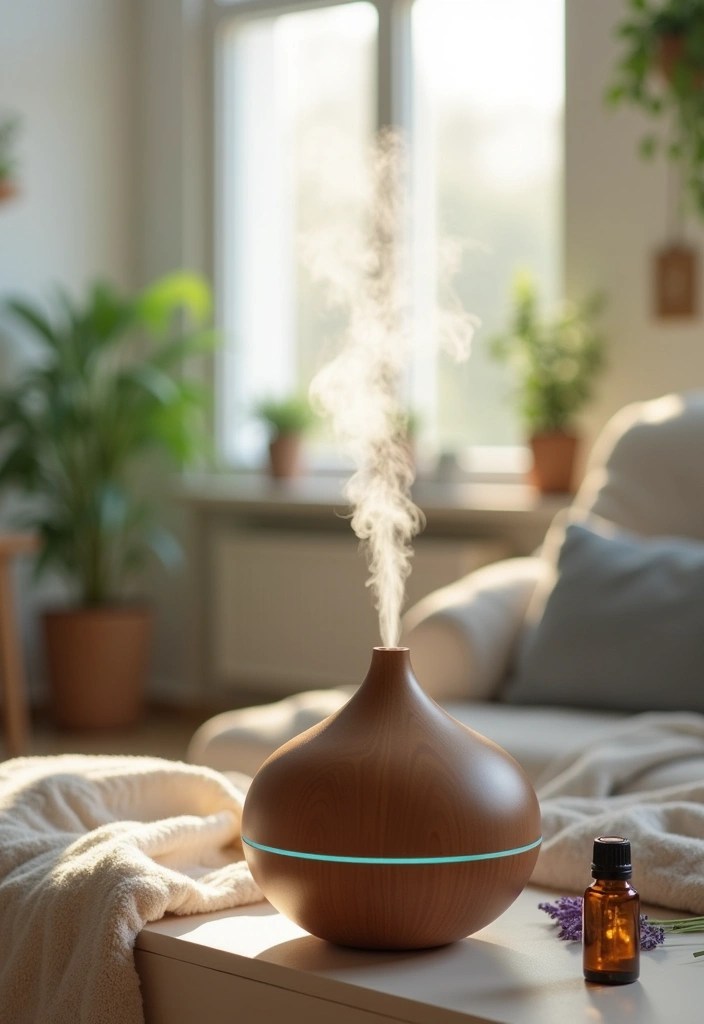
Aromatherapy is a gentle yet powerful approach to stress relief that harnesses the calming properties of essential oils. By engaging your sense of smell, you can influence your emotions and create a soothing atmosphere that promotes relaxation and alleviates feelings of anxiety.
Certain scents have been shown to have profound effects on the mind and body. For instance, lavender is renowned for its tranquilizing properties, often used to help people unwind after a long day. Chamomile, with its sweet, apple-like fragrance, is another excellent choice for promoting a sense of calm and comfort. Eucalyptus, known for its refreshing scent, can help clear the mind and enhance mental clarity, making it a fantastic option during stressful times.
To incorporate aromatherapy into your daily routine, consider using a diffuser. This handy device disperses essential oils into the air, allowing you to fill your space with soothing aromas that can instantly create a serene environment. You might choose to start your day with invigorating scents like citrus or mint to boost your mood, and transition to calming oils like lavender or sandalwood in the evening to prepare for restful sleep.
Alternatively, you can apply diluted essential oils directly to your skin. This method allows for a more personal experience, as you can carry the calming scent with you throughout the day. Always remember to dilute essential oils with a carrier oil, such as coconut or jojoba oil, to ensure safe application.
Integrating aromatherapy into your life not only enhances your physical surroundings but also encourages mindfulness. Taking a moment to inhale deeply and focus on the scents around you can center your thoughts and provide relief from overwhelming feelings. Whether you’re at home, at work, or on the go, the simple act of inhaling a pleasant aroma can serve as a reminder to pause and take care of your mental health.
By embracing the art of aromatherapy, you create a personal sanctuary that helps reduce anxiety and fosters a sense of peace. Make it a habit to incorporate your favorite essential oils into your daily life, and watch how they transform your environment into a haven of relaxation and calmness.
Product Recommendations:
7. Guided Visualization
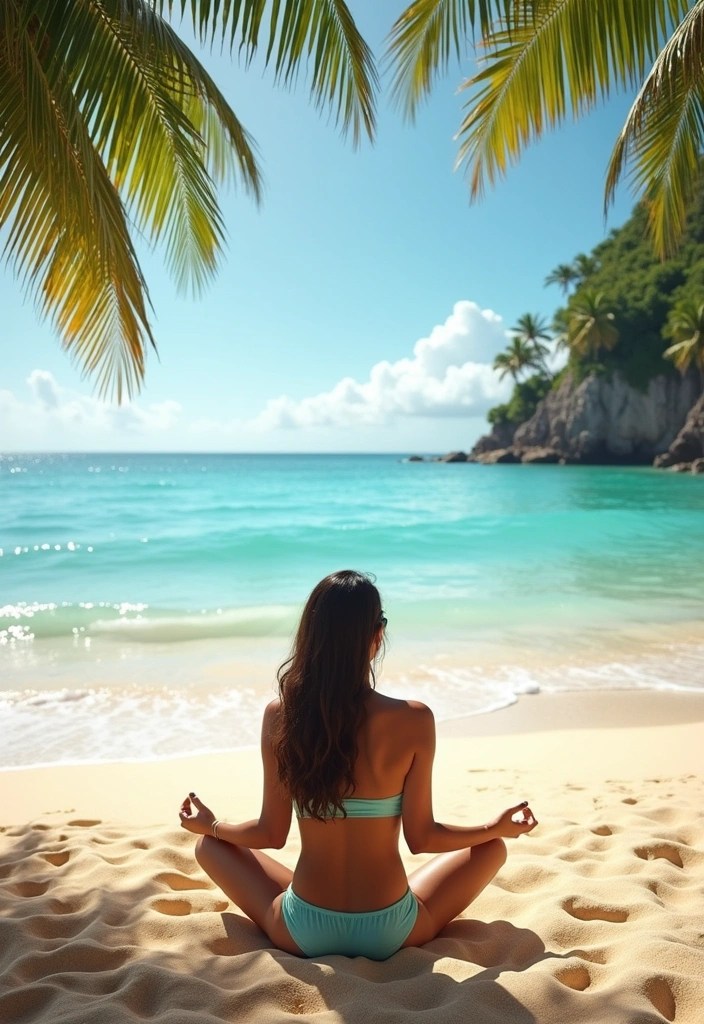
Guided visualization is a powerful relaxation technique that allows you to transport your mind to a peaceful setting, providing a much-needed escape from the chaos of everyday life. This method not only helps in calming the mind but also enhances your ability to manage stress and anxiety.
To begin, find a quiet space where you won’t be disturbed. Settle into a comfortable position, close your eyes, and take a few deep breaths. With each inhalation, imagine drawing in calmness, and with each exhalation, release the tension and stress that have accumulated in your body.
Now, start to visualize a serene landscape. It could be a tranquil beach, where the gentle waves lap against the shore and the sun warms your skin; or perhaps a lush forest, filled with the sound of rustling leaves and the fragrance of pine. Engage all your senses in this visualization.
Feel the soft sand beneath your feet or the cool, crisp air surrounding you. Listen to the soothing sounds of nature, whether it’s the rhythmic crashing of waves or the melodic chirping of birds. Allow the sights, sounds, and scents to envelop you, creating a vivid mental image that invites relaxation.
As you immerse yourself in this peaceful scene, notice how your body begins to unwind. Your muscles may feel less tense, your heartbeat may slow, and a sense of tranquility may wash over you.
Guided visualization not only serves as an effective stress relief technique but also promotes mindfulness. By focusing on your imagined environment, you train your mind to stay present, reducing anxious thoughts about the past or future.
With consistent practice, this technique can become a powerful tool in your arsenal for managing stress and enhancing your overall well-being. The more you engage in guided visualization, the easier it becomes to access that state of calm whenever you need it.
So, take a few moments each day to retreat into your serene landscape. Allow yourself to reconnect with that inner peace, nurturing your mental health and resilience against the stresses of life.
Product Recommendations:
8. Physical Exercise

Engaging in regular physical exercise is one of the most effective natural stress relief techniques available. When you move your body, it triggers the release of endorphins—those feel-good hormones that can transform your mood and foster a sense of well-being.
Consider the simple joy of a brisk walk in your neighborhood or a calming yoga session that invites mindfulness and focus. Even an intense workout can be a great outlet for pent-up energy and anxiety. The beauty of exercise lies not only in its physical benefits but also in its ability to clear your mind and create a space for mental clarity.
To reap these benefits, aim for at least 30 minutes of physical activity each day. It doesn’t have to be a chore; choose forms of exercise that you genuinely enjoy. Whether it’s dancing, cycling, or practicing tai chi, making exercise enjoyable increases the likelihood that you will stick with it long-term.
Incorporating physical activity into your daily routine not only strengthens your body but also enhances your mental resilience. It provides a healthy outlet for stress and equips you with the tools to better manage anxiety. By dedicating time to exercise, you are investing in your overall well-being, fostering a healthier mindset, and cultivating mindfulness that can carry over into other aspects of your life.
So, take that first step towards stress relief today. Your body and mind will thank you!
Product Recommendations:
• Yoga Mat
9. Listening to Music

Listening to music is a powerful and accessible way to cultivate a sense of calm and relieve stress in our daily lives. The beauty of music lies in its ability to resonate with our emotions, allowing us to connect with our feelings on a deeper level. Whether you find solace in the gentle strings of classical compositions or the ethereal sounds of ambient tracks, music can serve as a sanctuary from the chaos of everyday life.
To create an effective calming playlist, consider selecting tracks that evoke feelings of tranquility and peace. Classical music, with its rich harmonies and soothing melodies, is often a favorite for many seeking stress relief. Pieces by composers like Debussy, Bach, and Chopin can transport you to serene landscapes, evoking a sense of calm that eases anxiety and promotes relaxation.
Ambient music, on the other hand, offers a different kind of tranquility. With its atmospheric soundscapes and gentle rhythms, it can create an immersive experience that encourages mindfulness. Artists like Brian Eno and Max Richter excel in crafting sound environments that help quiet the mind, making them perfect companions for meditation or gentle reflection.
Setting aside dedicated time to listen mindfully is crucial. Find a comfortable space where you can truly immerse yourself in the music without distractions. As the notes unfold, allow yourself to be fully present in the moment, letting the sounds wash over you like a gentle wave. This mindful listening practice not only helps to ground you but also enhances your overall sense of well-being.
By intentionally engaging with music in this way, you can significantly lower your stress levels and combat feelings of anxiety. The simple act of listening becomes a form of self-care, a way to nurture your mental health amidst life’s challenges. So, take a moment today to create your calming playlist, and let the power of music guide you to a more peaceful state of mind.
Product Recommendations:
10. Practicing Gratitude

Practicing gratitude can be a powerful tool for stress relief, gently shifting your focus from the pressures of daily life to the simple joys that surround you. When you consciously acknowledge the positive aspects of your life, you foster a mindset that appreciates the present moment, creating a buffer against stress and anxiety.
Take a few moments each day to reflect on what you are thankful for. It could be as simple as a supportive friend who always knows how to lift your spirits, a sunny day that brightens your mood, or a personal achievement that fills you with pride. These moments of reflection do not have to be grand or elaborate; even the smallest things can spark feelings of gratitude and enhance your overall well-being.
Incorporating gratitude into your daily routine can significantly improve your emotional resilience. By focusing on what is good in your life, you can reduce feelings of anxiety and create a mental space where stress has less power over you. This shift in perspective allows you to react to challenges with a more balanced and calm demeanor.
Consider keeping a gratitude journal where you jot down a few things you are thankful for each day. This practice not only helps you recognize the positives but also serves as a reminder during tougher times. When you revisit your entries, you can draw strength from the memories of what has brought you joy and fulfillment.
Mindfulness plays a crucial role in this process. Being present and fully engaged in each moment enhances your ability to appreciate the little things. Whether it’s savoring the taste of your favorite meal or enjoying a quiet moment in nature, mindfulness allows you to experience gratitude more deeply.
As you cultivate gratitude, you’ll find that it becomes easier to manage stress. You’ll develop a more positive outlook on life, empowering you to face challenges with greater confidence and calmness. So, take a moment today to pause and reflect on what you are grateful for—you might be surprised at how much it can transform your mindset and contribute to your overall mental health.
Product Recommendations:
• Aromatherapy Essential Oil Diffuser
11. Connecting with Loved Ones
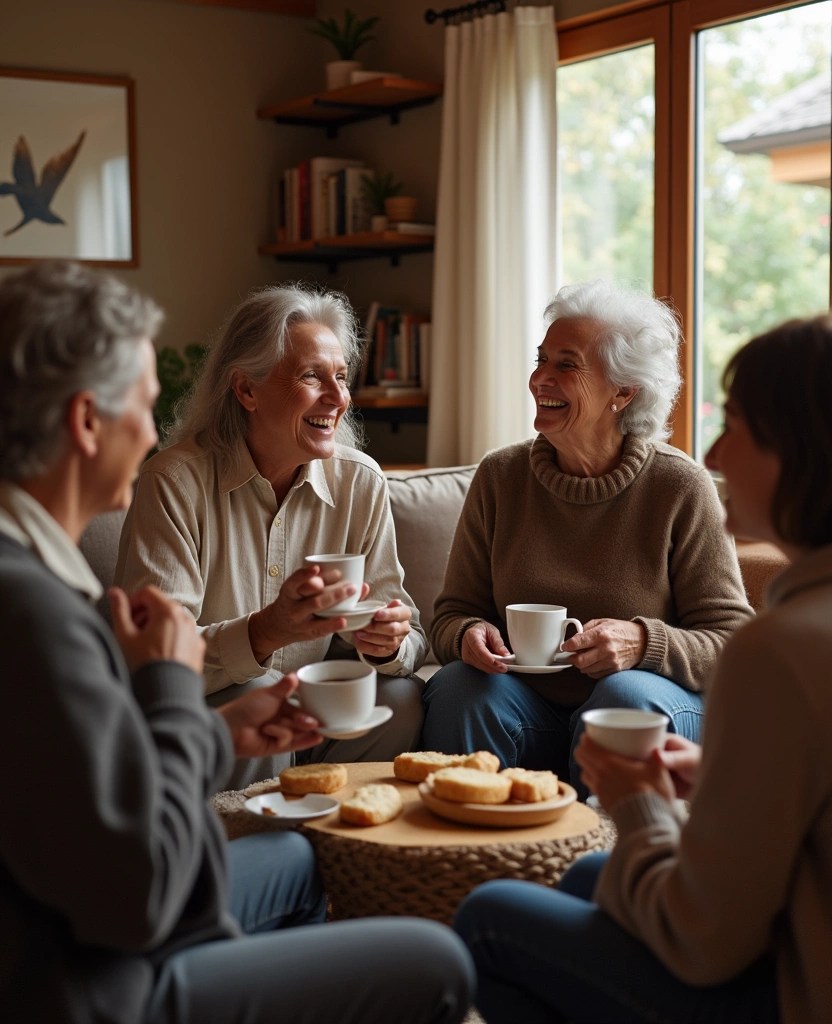
Connecting with loved ones is one of the most effective ways to alleviate stress and promote mental well-being. In our fast-paced lives, it’s easy to become isolated, even when surrounded by people. A simple conversation with a friend or family member can be a powerful antidote to feelings of loneliness and anxiety.
When you take the time to reach out—whether through a casual phone call, an impromptu visit, or a cozy video chat—you create an opportunity for connection that can lift your spirits. Sharing your thoughts and feelings not only provides you with an outlet but also opens the door for others to share their experiences. This exchange can help you gain a new perspective on your challenges, making them feel less daunting.
Moreover, the act of nurturing these connections can significantly enhance your sense of belonging. When you feel connected to others, the weight of stress seems lighter, and the feelings of isolation start to fade. This sense of community can serve as a buffer against anxiety, reminding you that you are not alone in facing life’s difficulties.
Consider making it a routine to check in with someone you care about regularly. It doesn’t have to be a lengthy conversation; even a quick text asking how they are can strengthen your bond. These small gestures can go a long way in reinforcing your connections and providing you both with mutual support.
In moments of stress, remember that your loved ones are often eager to help. By opening up to them, you not only allow them to support you but also invite them to share their own vulnerabilities. This mutual exchange fosters deeper relationships and cultivates a safe space where you can all grow together, enhancing your collective resilience against life’s challenges.
Ultimately, prioritizing these relationships is a simple yet profound way to incorporate stress relief into your daily life. Embrace the power of connection, and take a moment to reach out. Your mental health will thank you for it.
Product Recommendations:
• Stress Relief Coloring Books for Adults
12. Digital Detox

In today’s hyper-connected world, the constant stream of notifications, emails, and social media updates keeps us on high alert, contributing to rising stress and anxiety levels. Research shows that excessive screen time disrupts sleep patterns, increases cortisol (the stress hormone), and can lead to digital burnout.
Taking intentional breaks from screens isn’t just refreshing—it’s essential for mental well-being. Dedicating specific periods each day to disconnect allows your mind to reset, reduces anxiety, and enhances focus. Whether it’s during meals, before bedtime, or the first hour of your morning, these screen-free moments create a sense of balance and structure in your day.
Use this time to engage in activities that truly nourish your soul. Studies suggest that reading a physical book improves concentration and reduces stress by up to 68%. Crafting or journaling boosts creativity and mindfulness, while spending time outdoors lowers cortisol levels and promotes mental clarity. Imagine the simplicity of feeling the sun on your face, hearing birdsong, or simply breathing in fresh air.
A digital detox isn’t about abandoning technology—it’s about reclaiming control. By stepping away from screens, you make room for deeper thoughts and genuine connections. This intentional pause enhances presence, enabling you to engage more fully in life.
Reduced screen time has also been linked to better emotional regulation. Without constant digital noise, you cultivate a sense of calm and clarity. Mindful moments—like savoring a cup of tea or walking barefoot on grass—help you reconnect with yourself and the world around you.
Taking regular digital breaks isn’t just an act of self-care; it’s a path to improved mental health. By creating boundaries with technology, you foster more meaningful relationships and cultivate inner peace.
So, dare to disconnect. Embrace moments of stillness. Your mind and well-being will thank you for it.
Product Recommendations:
13. Laughter and Play

Laughter and play are often underestimated when it comes to stress relief, yet they hold incredible power to transform our mood and mindset.
Incorporating moments of joy into your daily routine can be as simple as playing games that ignite your competitive spirit, watching a hilarious movie that makes you laugh out loud, or engaging in silly antics with friends that remind you of the carefree days of childhood.
Laughter is not just a fleeting moment of happiness; it triggers the release of endorphins, the body’s natural feel-good chemicals. These endorphins help lighten your mood and can serve as a natural antidote to stress and anxiety.
When you allow yourself to be playful, you open the door to creativity and innovation. This playful mindset can infuse your everyday life with a sense of freedom, making even the most daunting challenges feel manageable. When stressors arise, a light-hearted attitude can shift your perspective and empower you to face them with renewed energy.
Mindfulness can also benefit from laughter and play. By immersing yourself in fun activities, you anchor yourself in the present moment, allowing you to let go of worries and distractions. This mindfulness practice can significantly reduce anxiety, helping you to cultivate a more relaxed state of being.
So, don’t shy away from laughter and play. They are essential components of stress relief that can elevate your overall mental health. Make it a point to schedule regular doses of joy in your life, whether through laughter-filled gatherings with friends, spontaneous playdates with loved ones, or even enjoying a solo night filled with your favorite comedies.
Embrace the magic of laughter and play, and watch as your stress melts away, leaving space for peace and positivity in your life.
Product Recommendations:
Conclusion

In conclusion, finding effective ways to manage stress is essential for maintaining mental health and overall well-being. The journey to reducing stress is deeply personal, and what works for one person may not resonate with another. By incorporating a variety of stress relief techniques into your daily routine, you can cultivate a sense of calm that helps you navigate the ups and downs of life with greater ease.
Mindfulness practices can play a pivotal role in this process. Engaging in activities like meditation, deep breathing exercises, or even mindful walking can anchor you in the present moment, helping to quiet the noise of anxiety that often overwhelms us. These simple yet powerful techniques encourage a shift in focus, allowing you to observe your thoughts without judgment and creating space for tranquility.
Additionally, integrating physical movement into your day is another effective strategy for stress relief. Whether it’s a brisk walk, a yoga session, or a dance class, moving your body can release pent-up tension and boost your mood. Physical activity stimulates the production of endorphins, our body’s natural stress relievers, promoting a sense of happiness and well-being.
Remember, it’s about finding what resonates with you personally. Experiment with various approaches and give yourself permission to adjust as needed. Sometimes, the most effective stress relief comes from the simplest practices—like enjoying a warm cup of tea, spending time in nature, or connecting with a loved one.
Above all, allow yourself the grace to take care of your mind. Prioritizing your mental health is not a luxury; it’s a necessity. By dedicating time to these techniques, you can build resilience against anxiety and foster a peaceful mindset that enhances your overall quality of life. Embrace the journey toward stress relief, and remember that small steps can lead to significant changes.
 RuggedFresh
Leave a comment